
The Concept of the House Edge
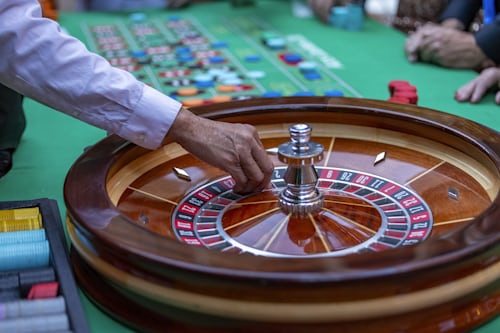
Understanding the house edge is crucial for any gambler looking to challenge the odds at a casino. The house edge represents the statistical advantage that the casino maintains over its players for every game, such as when using the love casino login feature to access promotions. It’s calculated as a percentage that indicates how much of each bet the casino expects to keep over time. For instance, in a game like roulette, where the house edge can be around 5.26%, players might lose an average of $5.26 for every $100 they wager. This means that while it’s possible to win in the short term, the odds are structured to ensure that the house will profit in the long run.
The house edge varies across different games and can significantly influence your chances of beating the casino. Games like blackjack or poker provide better odds for players who understand the strategies involved. In these games, skilled players can reduce the house edge through techniques such as basic strategy in blackjack or employing various betting strategies in poker. Knowing which games provide better odds can help players make more informed decisions about where to place their bets.
One critical point to remember is that the house edge is not a guarantee of loss on every bet. It’s a long-term statistical average, which means players can experience winning streaks. However, these streaks are often followed by losses that align with the house edge. This cycle reinforces the notion that while beating the house might be possible, doing so consistently and over time is incredibly challenging. Players must accept the reality that the house edge is designed to favor the casino, and any strategy must account for this fundamental truth.
The Role of Skill and Strategy
Skill and strategy play significant roles in a player’s ability to beat the casino, particularly in games that allow for decision-making. In games like blackjack, players can employ strategies that minimize the house edge, such as knowing when to hit, stand, or double down. This mathematical approach to the game enables knowledgeable players to shift the odds slightly in their favor. For example, if a player understands when to double down based on their hand and the dealer’s visible card, they can maximize their potential winnings while minimizing losses, thereby gaining an edge over the house.
It’s essential to note that not every game offers the same potential for skill-based play. While slot machines and roulette are mostly luck-based games with established house edges, poker and blackjack reward skillful players. For those serious about improving their odds, investing time in learning optimal strategies through books, online courses, or practice is invaluable. This knowledge can help players make informed choices that improve their chances of beating the house in the long run, especially in high-stakes situations where the outcome can be significantly impacted by skill.
Moreover, the psychological aspect of playing against the house cannot be ignored. Successful gamblers often develop a mindset that embraces calculated risk and discipline. They know when to walk away and manage their emotions to make rational decisions rather than succumbing to the excitement of the moment. Combining skill with this disciplined approach can create a formidable strategy against the house. For instance, a player who remains calm during a losing streak can assess their strategy and make necessary adjustments instead of chasing losses, which can lead to further financial trouble.
The Influence of Luck
While skill and strategy are vital, one cannot overlook the role of luck in casino games. In the short term, luck can significantly impact a player’s experience and outcomes. Gamblers often hear stories about massive wins that seemed to come out of nowhere, highlighting luck’s unpredictable nature. Even in skill-based games like poker and blackjack, an element of chance exists that can turn the tide dramatically, leading to unexpected victories or losses. A player might have a perfect strategy but could still lose due to an unfortunate turn of cards or dice.
Despite its importance, relying solely on luck is a precarious approach. Most professional gamblers understand that while luck can favor them at times, it is not a strategy they can depend on. The reality is that luck is erratic and cannot be controlled or predicted. Therefore, successful players often strike a balance between applying their skills and being aware of the luck factor. They position themselves to take advantage of favorable circumstances while not allowing poor luck to deter their overall strategy. This balance is crucial in maintaining a long-term gambling approach that prioritizes skill while acknowledging the role of chance.
In the end, understanding that luck will come and go can help players maintain perspective during both winning and losing streaks. This mindset can prevent impulsive decisions driven by emotion, allowing players to follow their strategies and play consistently over time, ultimately enhancing their chances of beating the house. By focusing on skill and sound strategy while accepting that luck can fluctuate, players can create a more sustainable gambling experience that is both enjoyable and potentially profitable.
Cognitive Biases and Casino Design
Cognitive biases also play a significant role in how players perceive their chances of winning at casinos. Common biases, such as the gambler’s fallacy, can lead individuals to believe they have more control over outcomes than they actually do. For instance, believing that a winning streak will continue based on past outcomes can result in larger bets, ultimately putting players at greater risk. Casinos themselves are designed to exploit these biases, often creating an environment that encourages players to stay longer and spend more money. This manipulation can skew perceptions and lead players to make irrational decisions.
Many casinos invest heavily in creating an immersive atmosphere that appeals to the senses, making it hard for players to leave. Features such as free drinks, luxurious decor, and enticing sounds all contribute to a feeling of excitement and energy that can cloud judgment. This design strategy plays on the emotional aspect of gambling, often leading players to stay longer and invest more money, despite the odds being stacked against them. The very layout of a casino is intended to maximize engagement and prolong play, which can further complicate a player’s ability to stick to a strategy.
Being aware of these cognitive biases and design tactics is crucial for any gambler seeking to beat the house. Acknowledging the psychological factors at play can empower players to make better decisions based on strategy rather than emotional impulses. Educating oneself about these elements can lead to a more informed gambling experience and potentially increase the likelihood of winning against the house. Understanding how cognitive biases work allows players to counteract their effects, making rational choices that align with their overall strategy.
Conclusion: Understanding the Odds
Ultimately, beating the house at a casino is a complex interplay of skill, strategy, luck, and psychology. While players can improve their chances through knowledge and strategic play, the inherent house edge remains a formidable obstacle. Gamblers should approach the casino with realistic expectations, understanding that while it is possible to win, the odds are not in their favor over the long term. This understanding fosters a healthier relationship with gambling and allows for a more enjoyable experience.
Moreover, responsible gambling practices are vital. Setting limits and knowing when to walk away can help players enjoy their experience while minimizing potential losses. The thrill of winning can be intoxicating, but maintaining control and perspective is essential for sustaining a healthy relationship with gambling. Players should prioritize fun and entertainment over the pursuit of profit, ensuring that their gaming experience remains positive.
For anyone looking to delve into the world of casinos, it is important to remain informed and educated. Fun and excitement can be found within the realm of gaming, but understanding the dynamics at play can significantly enhance the experience. This comprehensive knowledge allows players to enjoy games responsibly while recognizing the odds and the role of chance in the ultimate outcome. By embracing a balanced approach, players can engage with casinos in a way that is both enjoyable and strategically sound, ultimately leading to a more fulfilling experience.